Tree surgery in Ealing
If you are looking for tree surgery in Ealing, you are probably dealing with a tree that needs careful attention rather than a quick trim. Maybe branches are brushing the roof, a mature tree is shading out your garden, or a storm has left part of a canopy damaged and unsafe. In a busy, varied part of West London like Ealing, the right tree care needs more than a ladder and a saw. It takes practical experience, the correct equipment, and a sensible approach to the tree, the property, and the people around it.
Ealing has a mix of period terraces, mansion blocks, post-war homes, landscaped gardens, high-street premises, schools, communal courtyards, and commercial sites. That variety matters. A tree surgeon working on a front garden in Pitshanger, a rear access lane in Hanwell, or a business property near Ealing Broadway will face different challenges every time. Access can be tight, parking can be limited, and some trees may sit close to fences, outbuildings, utilities, or neighbouring properties. A local team understands these realities and plans work accordingly.
Whether you need routine maintenance, targeted pruning, stump removal, or urgent storm-damage work, the aim is the same: keep trees healthy where possible, remove risk where necessary, and leave the site tidy and usable. Tree surgery in Ealing should feel organised, safe, and straightforward from the first enquiry through to the final clean-up.
Why local tree surgery matters in Ealing
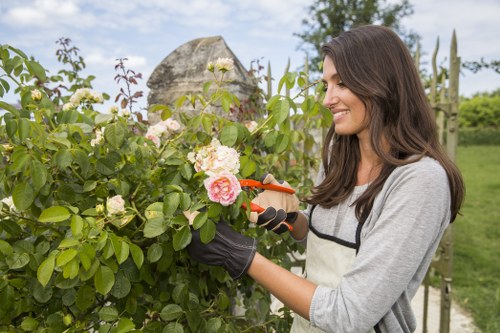
Local knowledge makes a real difference when it comes to tree care. Ealing’s residential streets often have mature trees planted decades ago, and many are now large enough to affect light, drainage, roofs, driveways, and boundary lines. Some properties also sit within conservation areas or have trees subject to legal protections, which means work needs to be assessed carefully before anything begins. A local arboricultural team can help you understand what is likely to be possible, what may require extra checks, and how to carry out the work with minimal disruption.
There is also the practical side. Moving chipper machines, timber, and climbing equipment through tight front gardens or shared side passages requires planning. On busier roads such as those around Ealing Common and South Ealing, loading and unloading needs to be managed with care. A team used to working in the area will know how to set up efficiently, protect surfaces, and keep access clear for residents, visitors, and nearby businesses.
Customers also benefit from a more tailored service. Some trees need reshaping to improve appearance and structure, while others are nearing the end of their life and may need section felling or removal. By choosing a local company for tree surgery Ealing residents can get advice that reflects the actual conditions on site, not a one-size-fits-all approach.
What a professional tree surgeon can help with
Tree surgery covers a wide range of work, from routine maintenance to more technical operations. If a tree is healthy but overgrown, crown reduction or thinning may be appropriate. If deadwood is becoming a hazard, that can be removed to reduce the risk of falling branches. If a tree has outgrown its location or is causing structural concerns, selective pruning or removal may be considered after a proper assessment.
Typical services include:
- Crown reduction and reshaping
- Crown thinning for light and airflow
- Crown lifting to improve clearance
- Deadwood removal
- Pollarding where appropriate
- Tree felling and sectional dismantling
- Stump grinding and stump removal
- Storm-damage clearance
- Hedge trimming and large hedge maintenance
- Site clearance and vegetation management
Not every tree needs major work. Sometimes a careful prune is enough to protect the property, improve shape, and support healthy regrowth. In other cases, especially where decay, instability, or severe storm damage is present, the safest option may be removal. A responsible tree surgeon will explain the difference clearly and recommend the least disruptive solution that still addresses the issue properly.
Tree surgery services available to Ealing homeowners and businesses
Ealing is home to many different property types, so the service needs to be flexible. Homeowners often want more light in the garden, safer access near driveways, or a tidier tree line overhanging the boundary. Commercial customers, meanwhile, may need regular maintenance to keep entrances safe, preserve the appearance of frontage planting, or manage trees and shrubs around offices, retail units, hospitality venues, schools, and managed estates.
For domestic customers, tree work may be needed after noticing branches near windows, signs of disease, or a tree that is leaning in a way that feels unfamiliar. For landlords and managing agents, the focus is often on safety, duty of care, and keeping shared outdoor areas practical for tenants and visitors. For businesses, the emphasis can be on presentation, access, and reducing the chance of disruption caused by falling debris or overgrown vegetation.
Because the work takes place in real living and working environments, clean-up matters too. Good tree surgery should not leave timber scattered, pathways blocked, or gardens unusable. The site should be left neat, with arisings removed or processed as agreed, and with attention paid to protecting lawns, borders, paving, and nearby planting.
Common signs your trees may need attention
Some tree problems are obvious, while others are easy to miss until they become more serious. If you are unsure whether it is time to book an assessment, look out for the following signs:
- Branches touching roofs, gutters, windows, or power lines
- Dead, cracked, or hanging limbs
- Fungal growth at the base or on major limbs
- New leaning or movement after strong winds
- Thick canopy blocking too much daylight
- Roots lifting paving or affecting nearby structures
- Splits, cavities, or visible decay in the trunk
- Repeated leaf drop, dieback, or poor growth
- Overhanging limbs interfering with access or parking
- Stumps that are attracting regrowth or creating trip hazards
It is worth remembering that trees can look fine from a distance and still have structural issues. A careful inspection can identify whether a problem is cosmetic, manageable through pruning, or serious enough to need immediate action. If you are planning works in your garden, it is often a good idea to request advice before the situation becomes urgent.
How the service usually works
A well-run tree surgery job should be clear from start to finish. The first step is usually an initial discussion about the tree or trees involved, the location, access, and your main concern. A site visit may then follow so the condition of the tree can be checked properly. This is especially important where the work involves mature trees, shared boundaries, awkward access, or potential planning constraints.
Once the work has been assessed, you should receive a clear explanation of the recommended approach. That may include pruning methods, the likely amount of material to be removed, whether climbing or specialist equipment will be needed, and how the team will manage safety around people, vehicles, and neighbouring properties. If multiple trees are involved, the work may be grouped in a sensible order to make the job more efficient.
On the day, the team will usually arrive with climbing gear, cutting equipment, rigging tools, ropes, and machinery appropriate to the site. Areas around the work zone are made safe, and access points are planned so the work can proceed without unnecessary disturbance. Once the cutting is complete, the branches and debris are processed, the site is cleared, and the tree is left in the agreed condition.
What is typically included
A professional tree surgery service in Ealing may include:
- Initial assessment and practical advice
- Safe pruning or dismantling of the agreed tree work
- Use of climbing and lowering equipment where needed
- Removal of cuttings and wood waste, if included in the scope
- Basic site tidy-up and sweeping of the working area
- Stump grinding where requested
- Advice on aftercare, regrowth, and future maintenance
Every property is different, so the exact scope will depend on access, tree size, species, condition, and the level of work needed.
If you are arranging work for the first time, it helps to think in terms of the outcome you want. Do you need more light? Better safety? Less pressure on a wall or roofline? A cleaner appearance? Once the goal is clear, the right tree surgeon can recommend the most suitable method rather than overdoing the work.
Tree pruning, reductions, and careful shaping
Not every customer wants a tree removed. In many cases, the preferred option is to keep the tree but reduce its impact on the property. This is where pruning services come in. Crown reduction can help reduce size while maintaining the natural character of the tree, while crown thinning can improve light penetration and reduce wind resistance. Crown lifting may be used to create clearance over paths, driveways, or lawns.
Good pruning is as much about restraint as it is about cutting. Over-pruning can stress the tree, leave it looking unnatural, and create issues later on. Properly carried out, however, tree pruning can enhance appearance, support healthier growth, and help the tree coexist with nearby buildings and outdoor spaces. That is especially valuable in Ealing, where many gardens are compact and mature planting has to work within limited space.
Species, season, and condition all matter. A tree surgeon will take account of how the tree responds to cuts, whether there are bird nesting considerations, and whether the tree is already under stress from poor soil, compaction, drought, or prior work. The aim should always be to improve the situation rather than create a new problem.
When removal may be the safer option
Tree removal is not usually the first choice, but there are times when it is sensible. If a tree is significantly decayed, structurally unsound, badly storm-damaged, or growing in a place where it creates ongoing problems that cannot be solved by pruning alone, removal may be the responsible option. This can also be the case where roots are causing major disturbance, or where a tree has been planted too close to a building for long-term stability and comfort.
In tighter Ealing properties, removal may need to be done in sections rather than felled in one piece. Sectional dismantling allows the tree to be taken down carefully, piece by piece, using rigging to control branches and timber safely. This is particularly important near conservatories, garages, shared gardens, paved courtyards, and neighbouring windows.
Where a stump remains after removal, stump grinding can help finish the job properly. Leaving a stump in place can create obstacles for mowing, restrict replanting, or encourage unwanted regrowth. Grinding it below ground level gives you a more practical space to replant, landscape, or simply use more comfortably.
Why choose a local company for tree surgery in Ealing
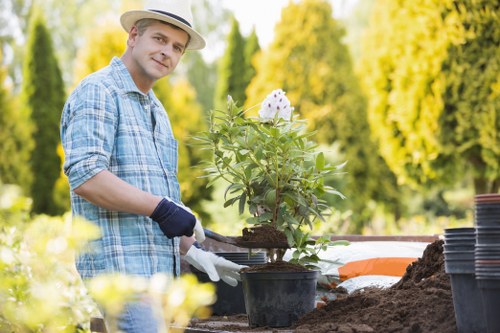
There are real advantages to using a local team rather than someone unfamiliar with the area. A local company understands the road layouts, parking challenges, typical property styles, and the way gardens and shared spaces are arranged. That can make the whole process smoother, from arriving on site to finishing the clean-up. It also means advice is more grounded in the conditions you are likely to face in Ealing rather than in a generic setting.
Local service also makes communication easier. If you are planning work around school runs, business hours, or shared access arrangements, a nearby team can often fit the job around practical constraints more flexibly. This can be especially helpful for customers in areas such as Ealing Common, West Ealing, South Ealing, Northfields, Hanwell, and nearby neighbourhoods where access varies from street to street.
Reasons local customers often prefer a nearby tree surgery team:
- Better understanding of local access and parking constraints
- Experience with common tree species and garden layouts in the area
- Practical awareness of conservation considerations and neighbour proximity
- More efficient scheduling for domestic and commercial visits
- Quicker response for urgent storm-related situations
- Cleaner, more manageable service for tight urban properties
Who this service is for
Tree surgery in Ealing is suitable for a wide range of customers. Homeowners often need help with garden trees, boundary growth, and safety issues. Landlords and managing agents may need ongoing maintenance across multiple properties or communal grounds. Commercial clients may need tree and hedge care around frontage areas, car parks, staff entrances, or customer walkways. Schools, churches, and community organisations may also need professional attention to keep outdoor spaces safe and well maintained.
Whatever the property type, the key is to choose a team that can work carefully, communicate clearly, and treat the site with respect. Trees are living assets, not just obstacles, and the best results come from balancing safety, appearance, and long-term tree health.
Preparing for your tree surgery appointment
A little preparation helps the work go more smoothly and can reduce delays on the day. You do not usually need to do anything complicated, but there are practical steps that make a difference. If access is limited through side passages or gates, let the team know in advance. If vehicles need to be moved, if there are delicate garden items near the work area, or if neighbours share access, it is worth planning those details early.
Preparation checklist:
- Move cars, bikes, bins, and garden furniture away from the working area where possible
- Unlock gates or arrange access if the team needs to pass through side entrances
- Let neighbours know if work may affect shared boundaries or access routes
- Remove fragile items, planters, or ornaments from near the tree
- Keep children and pets away from the work zone on the day
- Point out any known hazards such as cables, loose paving, or soft ground
- Confirm whether you want arisings removed, stacked, or processed in a particular way
For larger jobs, you may also want to think about how the finished space will be used. If the tree is being reduced to allow more lawn use, for example, you may wish to arrange a follow-up landscaping step. If the work is related to a driveway or access route, check whether stump grinding or root management should be included at the same time.
Clear communication before the job starts helps avoid misunderstanding and makes the end result much more satisfying. If you are unsure about anything, ask questions before booking so the scope is agreed properly.
Pricing factors that affect tree work
People often ask what tree surgery will cost, but there is no sensible single figure for every job. The cost depends on the size of the tree, how difficult it is to access, whether climbing or specialist equipment is needed, and how much material has to be removed. Trees close to buildings, roads, fences, or utilities usually require more care and therefore more time.
Other factors can include whether the tree is dead, storm-damaged, or in poor condition; whether waste must be removed from a site with limited access; whether stump grinding is needed; and whether the work has to be timed around neighbours, tenants, or business hours. If multiple trees are being dealt with together, that can sometimes be more efficient than separate visits, depending on the layout.
It is sensible to request a detailed quote based on the actual work required rather than comparing vague estimates. A proper site visit helps avoid surprises and allows the tree surgeon to give you realistic expectations about method, timing, and the likely level of disruption.
Areas covered around Ealing
A local team carrying out tree surgery in Ealing may work across the wider borough and nearby neighbourhoods, depending on the job size and access requirements. Customers often need help in and around:
- Ealing Broadway
- West Ealing
- Northfields
- South Ealing
- Ealing Common
- Pitshanger
- Hanwell
- Acton border areas
- Perivale edge locations
- Brentford-adjacent residential and commercial sites
The exact working area can vary, but the important point is that local jobs are often easier to manage when the team knows the district, the property patterns, and the practical access issues that come with West London streets. That can help with timing, logistics, and the overall smoothness of the job.
If you live near a busy road, a shared driveway, a rear access lane, or a block of flats with communal green space, a local tree surgeon can plan around those conditions better than someone unfamiliar with the area. That is particularly helpful where neighbours need advance notice or where work has to be coordinated with managing agents or caretakers.
Frequently asked questions
Do I need permission to have a tree worked on?
It depends on the tree and the property. Some trees may be protected by a Tree Preservation Order or located within a conservation area. If there is any uncertainty, it is important to check before work begins. A professional tree surgeon can often help identify when further checks are needed.
Can you work in small gardens or awkward access areas?
Yes, many jobs in Ealing involve restricted access, side returns, shared alleys, or compact rear gardens. The right equipment and planning make a big difference, especially for sectional dismantling and waste removal.
What happens to the waste?
That depends on the service agreed. Some customers want all branches, logs, and debris removed, while others prefer wood to be left on site for logs or habitat use. This should be discussed in advance so the job is completed as expected.
Is stump grinding always necessary?
Not always, but it is often recommended if you want the area fully usable again. It can make mowing easier, improve safety, and help with replanting or landscaping.
Can you help after storm damage?
Yes, storm-damaged trees often need urgent attention, especially if limbs are hanging, split, or resting on structures. Safety comes first, and damaged areas may need securing or removal as a priority.
How often should trees be maintained?
That depends on species, age, condition, and location. Some trees benefit from regular light maintenance, while others only need occasional attention. A local tree surgeon can recommend a sensible schedule based on what is actually growing on your property.
What makes a good tree surgery service
When choosing a provider, look for someone who explains the work clearly, assesses the site properly, and treats the tree with respect. Good tree surgery is not just about cutting; it is about judgment. The right team should be able to balance safety, aesthetics, and tree health while keeping disruption low and communication straightforward.
Signs of a quality service include:
- Clear explanation of the recommended work
- Attention to access, safety, and neighbour considerations
- Respect for the property and surrounding planting
- Practical advice on alternatives where removal is not necessary
- Thorough tidying after the work is done
- Willingness to discuss different options for pruning, reduction, or removal
If you are ready to improve the safety, appearance, or manageability of the trees on your property, contact us today to discuss your requirements and request a free quote. Whether it is a single garden tree, a row of boundary specimens, or ongoing commercial maintenance, book your service now and take the next step toward a safer, tidier outdoor space.
Tree surgery in Ealing should give you confidence that the work will be handled properly, with careful planning and a tidy finish. From the first inspection to the final clearance, the right approach helps protect your property, respect your neighbours, and keep your trees in the best condition possible for the long term.